Auditory Processing Disorder (APD) Assessment in London
Auditory processing disorder is difficulty making sense of sound despite normal hearing: the ears work, but the brain struggles to interpret what it hears, especially in noise. It affects an estimated 3 to 5% of the population, in both children and adults, and is easily mistaken for inattention or a learning difficulty. Our specialist audiologists assess APD in London at our East Dulwich and Soho clinics, and online, using the Buffalo Model, a structured and well-established diagnostic approach.
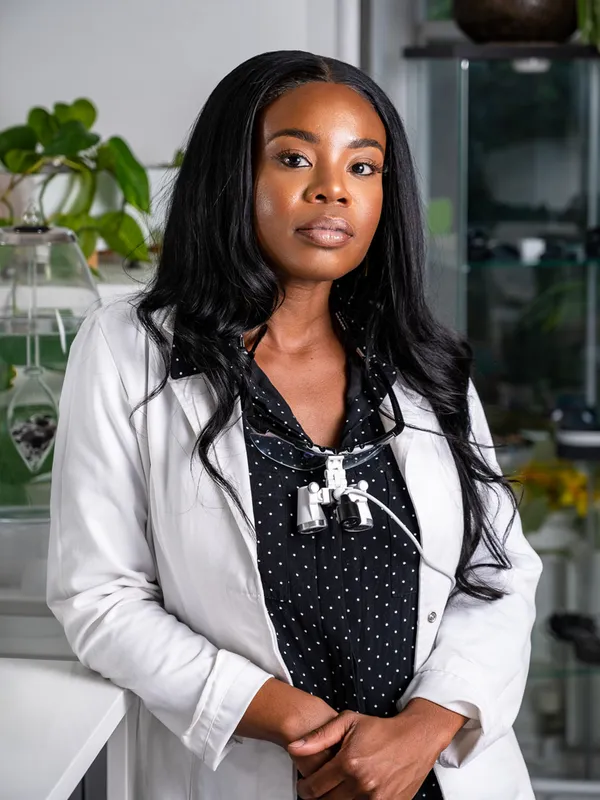
Our APD specialist
What you're seeing
What is auditory processing disorder?
Excellent
From 4 five-star Google reviews
Source: Google
Once again I am truly grateful for Dayna's expertise. Again, £75.00 well spent. Dayna is still the calm, friendly, kind and skilled professional she was when I last saw her. I am always apprehensive about the process of ear microsuction but I needn't have been. The procedure was comfortable and pain free. The results are great.
The audiologist who treated me was absolutely top drawer. Her name was Dayna and she gave me an appointment the same day and removed a considerable amount of wax from both of my ears using microsuction.
Dayna was fantastic! Knowledgeable, reassuring and efficient. Highly recommend her practice and would definitely return.
Cannot recommend highly enough. The service is excellent and the audiologists are extremely proficient. Will not go anywhere else in future.
Our APD assessment can help to:
Explain a difficulty that hearing tests miss
Many people with APD have been told their hearing is fine, which leaves the real difficulty unexplained. By first confirming normal hearing and then testing processing directly, we give a name and a clear picture to something that has often been misread as inattention.
Pinpoint the type of listening breakdown
The Buffalo Model characterises listening difficulty across four profiles: Decoding, Tolerance-Fading Memory, Integration and Organisation. Knowing which profiles are affected is what makes support specific rather than generic, targeting the exact skills that need strengthening.
Provide a report that opens doors
You leave with a comprehensive written report suitable for schools, GPs, universities and workplaces. In practice this report is often what secures classroom adjustments, exam access arrangements or workplace accommodations.
Guide targeted auditory training
Where APD is identified, computer-based auditory training of typically 20 sessions of 20 to 30 minutes can strengthen weak listening skills. We match the training to the profiles the assessment reveals, so the effort goes where it counts.
Support both children and adults
APD does not stop at childhood. We assess all ages, in clinic across our two London locations or online, so an adult who has struggled in noisy workplaces for years can finally understand why and what will help.
Why it happens
What causes APD
- Developmental differences in how the central auditory pathways mature, the most common picture in children
- A history of frequent ear infections or glue ear in early childhood, which disrupts early listening experience
- Neurological factors, including the effects of head injury or stroke on the auditory pathways in adults
- Age-related change in central auditory processing, which can emerge alongside age-related hearing loss
- Frequent co-occurrence with dyslexia, ADHD, autism and language difficulties, though APD is a distinct condition

At your first appointment we take the time to find out what is really going on.
Appointments are longer here by design. Your audiologist takes a full history, examines your ears, and runs the tests your situation actually calls for, going beyond standard pure tone audiometry where needed.
Results are explained clearly on the day, and you leave with a personalised plan: whether that is treatment, monitoring, a referral, or the reassurance that your hearing is normal.
Our focus is clinical outcomes, not retail sales. Clearly Hearing is an independent clinic: no manufacturer ties, no sales targets, and appointments long enough to listen properly, investigate thoroughly and explain everything in plain English.

- Rated 5.0 from 61 Google reviews at our East Dulwich clinic.
- Led by Dr Dayna Edwin, Au.D, HCPC-registered with over 15 years of clinical experience across NHS and private audiology.
- Two London locations: East Dulwich and Soho, with home visits and online appointments across London.

We specialise in:
- Comprehensive diagnostic hearing assessments for adults and children
- Independent hearing aid selection, fitted and verified with Real Ear Measurements
- Auditory processing disorder (APD) assessment using the Buffalo Model
- Tinnitus and hyperacusis assessment and management
- Balance and dizziness (vestibular) assessment
- Paediatric audiology, including glue ear and listening difficulties
- Hearing aid repairs, reprogramming and aftercare for all major brands
- Home visits and online appointments across London
Treatment approach
How APD is assessed and supported
APD Assessment
From £696A specialist APD assessment using the Buffalo Model is the core service. It confirms normal peripheral hearing, characterises listening difficulty across the four Buffalo profiles using the SSW, W-22 and Phonemic Synthesis battery, and produces a comprehensive written report for schools, GPs, universities or workplaces, plus a therapy plan where appropriate.
See treatment detail →Comprehensive Hearing Assessment
From £120 (children from £90)APD can only be diagnosed once ordinary hearing loss is excluded, so a comprehensive hearing assessment is the essential first step. It confirms whether the ears themselves are working normally, which separates a peripheral hearing problem from the central processing difficulty that defines APD.
See treatment detail →FAQ
Frequently asked
questions
How is APD different from hearing loss?
With hearing loss the ear does not detect sound fully. With APD hearing is normal, but the brain struggles to interpret sound, particularly speech in background noise. That is why someone with APD can pass a standard hearing test yet still find listening exhausting. Assessment always confirms normal hearing before diagnosing APD.
Can adults be assessed for APD, or is it only for children?
Both adults and children can be assessed. APD is often identified in childhood around school difficulties, but many adults seek assessment after years of struggling in meetings, noisy workplaces or social settings. We assess all ages using the Buffalo Model, in clinic at our two London locations or online.
What does the APD assessment involve?
After confirming normal hearing, we use the Buffalo Model to characterise listening difficulty across four profiles. The battery includes the Staggered Spondaic Word test, W-22 word recognition and Phonemic Synthesis, with SSQ12 and HADS questionnaires. You receive a comprehensive written report suitable for schools, GPs, universities and workplaces.
Can anything be done to help APD?
Yes. Where assessment identifies APD, targeted computer-based auditory training can strengthen the specific listening skills that are weak, typically over 20 sessions of 20 to 30 minutes. Practical strategies and environmental changes, such as reducing background noise and using assistive listening technology, also make a meaningful difference day to day.
Get Started
Ready to begin?
Book today.
Clearly Hearing • 20-22 Lordship Lane, East Dulwich, London SE22 8HN
BookAppointments typically available within 1–2 weeks