How Much Do Hearing Aids Cost in the UK? An Honest Breakdown
Private hearing aid prices vary widely, and the headline figure rarely tells the whole story. Here is what you are actually paying for, how NHS provision compares, and how to judge any quote fairly.
In this article
The short answer
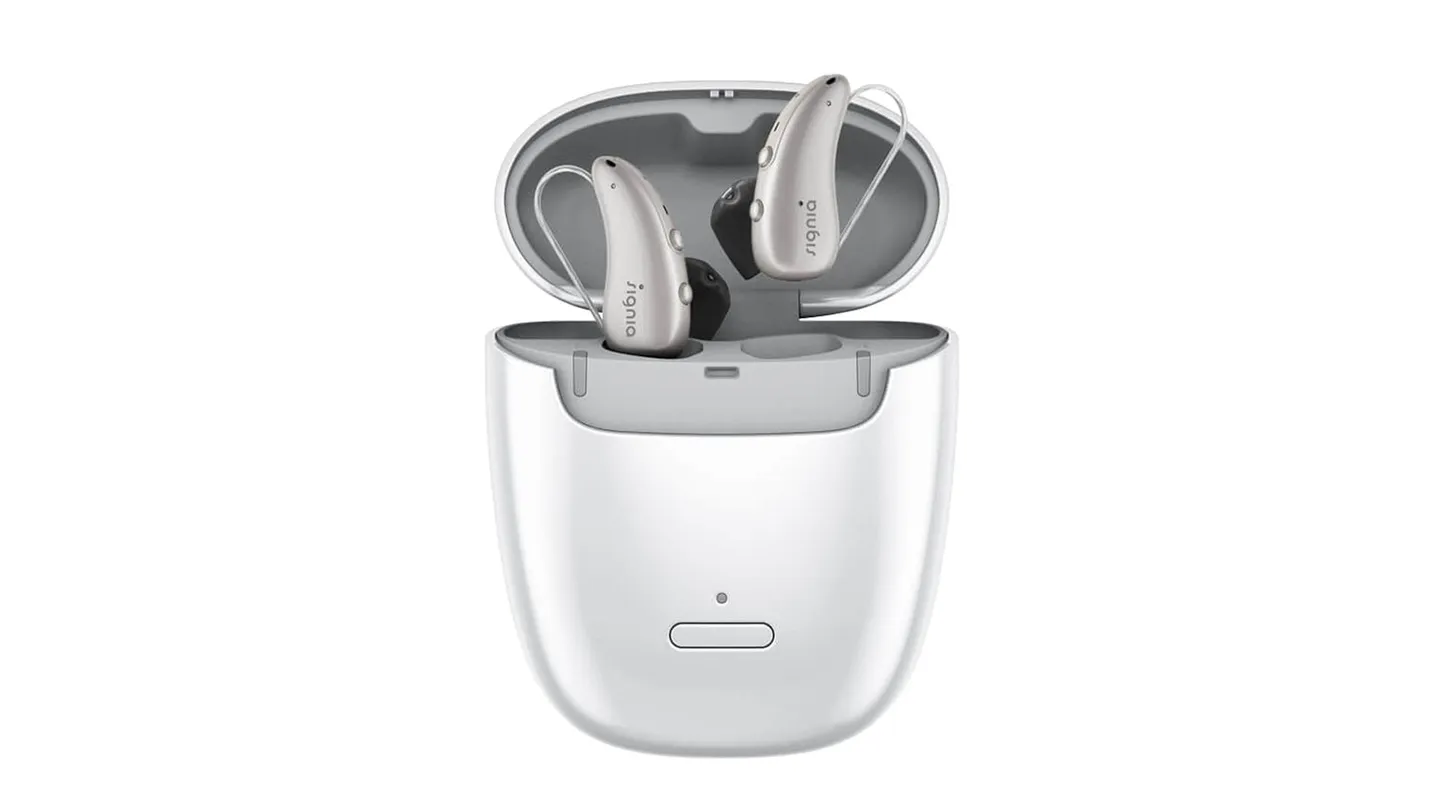
At Clearly Hearing, hearing aids are priced per pair across three technology tiers: Standard at £2,795, Advanced at £3,695 and Premium at £4,395. Every tier, without exception, includes a diagnostic hearing assessment, independent selection from seven manufacturers (ReSound, Starkey, Phonak, Unitron, Rexton, Signia and Oticon), Real Ear Measurement verification of the fitting, fine-tuning appointments, a manufacturer warranty and structured aftercare.
That last sentence is the important one. Across the UK private market, prices for a pair of hearing aids vary widely, and the headline figure on its own tells you very little. Two quotes for the same device can differ by hundreds of pounds because one bundles years of professional care and the other bundles almost nothing.
What actually drives the price
A common misconception is that a more expensive hearing aid is simply a louder or more powerful one. It is not. Amplification itself is inexpensive, and even entry-level devices from the major manufacturers amplify sound accurately and comfortably.
What you pay for as you move up the tiers is processing technology: how intelligently the device analyses the sound environment and decides what to do with it. In practice, the differences show up in situations like these:
- Speech in background noise. Higher-tier devices use more sophisticated directional microphones and noise reduction to separate a voice from the clatter of a restaurant or an open-plan office.
- Automatic adjustment. Advanced processors classify the environment (quiet room, traffic, music, wind) and adapt in real time, so you spend less time fiddling with settings.
- Sound quality and localisation. Better processing preserves the natural cues that tell your brain where a sound is coming from.
- Connectivity and extras. Bluetooth streaming, app control and rechargeability appear across most tiers now, but the refinement varies.
If your listening life is mostly quiet, one-to-one conversation at home, a Standard tier device fitted well will serve you honestly. If you spend your days in meetings, restaurants and busy streets, the higher tiers earn their price where it counts. A good audiologist matches the technology to your listening demands, not to the biggest number on the price list. Our focus is clinical outcomes, not retail sales.
What “free” NHS provision offers
We are consistently straightforward about this: NHS hearing aids are good devices, provided at no cost, and for many people they are the right choice. They are supplied on long-term loan, with batteries, repairs and replacements included. Modern NHS aids are digital, well-fitted and effective.
The differences with private care are about breadth and time rather than quality of the device itself:
| NHS | Independent private clinic | |
|---|---|---|
| Cost | Free on long-term loan | £2,795 to £4,395 per pair at Clearly Hearing |
| Referral needed | Usually via GP | No, book directly |
| Waiting time | Weeks to months depending on area | Same-day appointments are often possible |
| Device range | A contracted range, typically behind-the-ear styles | Seven manufacturers, all styles including in-ear |
| Technology tier | Standard-level technology | Standard to Premium tiers |
| Fitting verification | Varies by department | Real Ear Measurement on every fitting |
| Ongoing fine-tuning | Via the department, subject to capacity | Structured aftercare built into the price |
If cost is the deciding factor, use the NHS pathway and do not let anyone talk you out of it. Where private care earns its fee is choice, appointment time, verification and the ongoing relationship: unhurried appointments with the same audiologist who fitted you, and devices selected from the whole market rather than a single contract.
We have set this out in full, including referral routes, waiting times and when we would actively send you to the NHS instead, in our honest comparison of NHS and private hearing aids.
Independent clinics vs chains and manufacturer-owned shops
Where you buy matters as much as what you buy, because it determines whose interests shape the recommendation.
Manufacturer-owned shops sell one brand. Several familiar high-street hearing names are owned by hearing aid manufacturers, and their audiologists can only recommend from that catalogue. The devices may be perfectly good, but the recommendation starts from the answer.
High-street chains typically work from a narrower contracted range and see high volumes of patients, which limits appointment time and continuity. You may see a different clinician at each visit.
Independent clinics like Clearly Hearing hold accounts with multiple manufacturers, seven in our case, and select the device after the assessment rather than before it. Different manufacturers genuinely suit different losses, ear shapes and listening priorities, so that freedom has clinical value, not just commercial appeal. You also see the same audiologist throughout, which matters because hearing aid success is built over multiple fine-tuning visits, not on fitting day.
Real Ear Measurement: the question that sorts providers fastest
Whoever you buy from, ask one question: “Do you verify fittings with Real Ear Measurement?”
Real Ear Measurement (REM) places a thin probe microphone in your ear canal alongside the hearing aid and measures what the device is actually delivering at your eardrum, then adjusts it against a validated prescription target. Without it, the fitting relies on manufacturer software predictions, which are frequently wrong for individual ears. The British Society of Audiology regards verification as good practice, yet plenty of providers skip it because it takes time. At Clearly Hearing it is included in every fitting, at every tier.
The two-week trial
Hearing aids are a significant purchase, and no clinic demonstration can replicate your Tuesday commute or a family dinner. That is why we build a two-week trial into the process: you wear the recommended devices in your real life before making a final decision. If the technology tier is wrong, we adjust course. If hearing aids are not right for you yet, you say so.
Questions to ask any provider
Take this list to any clinic, including ours:
- Is the price per aid or per pair?
- What exactly is included: assessment, fitting, follow-ups, warranty, aftercare?
- Do you verify every fitting with Real Ear Measurement?
- Which manufacturers can you supply, and who owns your business?
- Can I trial the aids in my daily life before committing?
- Who will I see for fine-tuning, and is there a charge for it?
- What happens if my hearing changes during the warranty period?
A provider who answers all seven clearly and without hesitation is a provider you can work with.
The bottom line
Expect to pay between £2,795 and £4,395 per pair at Clearly Hearing, with everything included and nothing added later. If you are comparing quotes from clinics in the capital specifically, our band-by-band guide to private hearing aid prices in London shows where each quote sits in the market. Match the technology tier to your listening life rather than your budget’s upper limit, insist on Real Ear Measurement wherever you buy, and use the two-week trial to judge the result where it matters: in your own life, with the people you want to hear.
Frequently asked questions
How much do private hearing aids cost in the UK?
At Clearly Hearing, hearing aids cost £2,795, £3,695 or £4,395 per pair depending on technology level. Every price includes a diagnostic assessment, fitting, Real Ear Measurement verification, fine-tuning, a manufacturer warranty and structured aftercare. The price reflects the processing technology inside the device, not how loud it goes.
Are NHS hearing aids really free?
Yes. NHS hearing aids are provided on long-term loan at no cost, with batteries and repairs included. They are effective, well-fitted devices. The trade-offs are waiting times, a narrower range of models and styles, and less scope for ongoing fine-tuning compared with an independent private clinic.
Why do some clinics charge more for the same hearing aid?
Two clinics can quote different prices for the same device because the price usually bundles different levels of care. Ask what is included, such as diagnostic assessment, Real Ear Measurement verification, follow-up appointments, warranty length and aftercare. A lower headline price with no verification or aftercare often costs more over time.
Can I trial hearing aids before I commit?
At Clearly Hearing you can trial your hearing aids for two weeks in your everyday life before making a final decision. A trial in real listening environments, at work, at home and in restaurants, tells you far more than a demonstration in a quiet clinic room ever can.